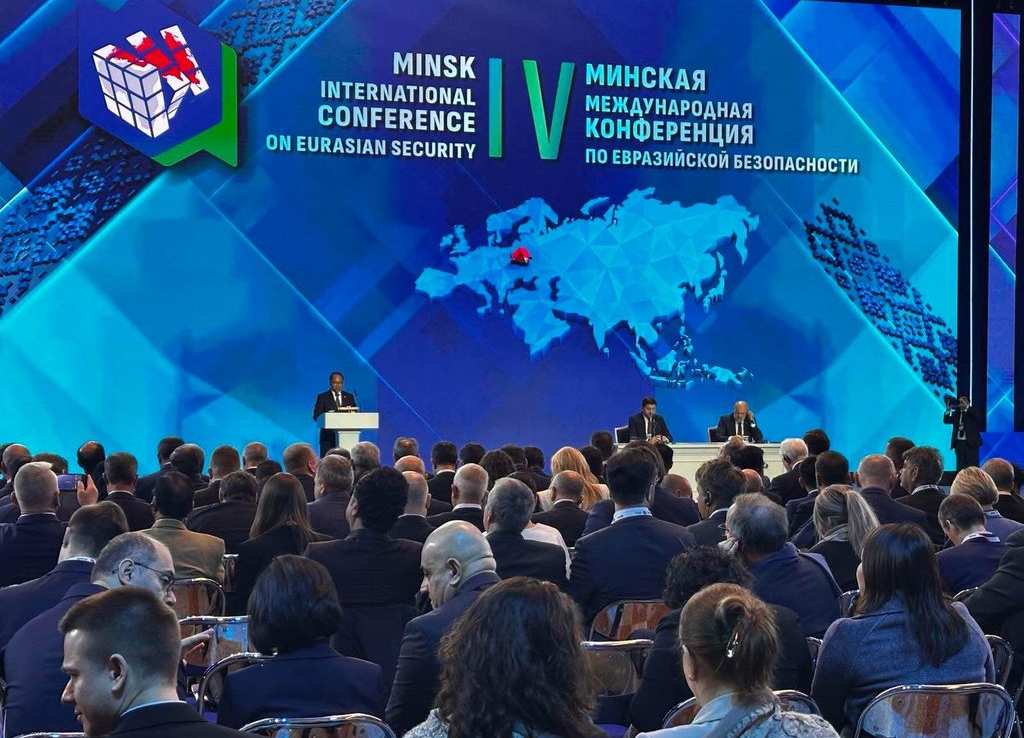
(AseanAll) — On October 24th, 2026, at the Dili Convention Centre, Timor-Leste Prime Minister Kay Rala Xanana Gusmão attended the opening of the first National Conference of Women Entrepreneurs, organised by Women in Business (WiB) Timor-Leste and dedicated to strengthening domestic production and developing micro, small, and medium-sized enterprises (MSMEs) led by women.
The conference, held on October 24th and 25th, under the theme “Strengthening and Improving Domestic Production”, brought together women entrepreneurs, representatives of cooperatives and producer groups, members of the Government and the National Parliament, the diplomatic corps, development partners, and other business-sector stakeholders.
In his address, the Prime Minister emphasised the need to expand national productive capacity and create conditions for private-sector development, including women-led businesses, to reduce import dependence.
“This year, we see that dependence on imports remains high. It is therefore crucial that the Government supports the productive sector, including women engaged in business activities,” stated Xanana Gusmão.
The Head of Government encouraged women entrepreneurs to develop their businesses incrementally, with a long-term vision, to focus on product quality, and to identify productive activities that leverage the country’s available resources. He also noted the potential of organic production to distinguish domestic products in the market.
In this context, he argued that increasing domestic production does not initially require large-scale investment, but rather the development of existing productive capacity and the production of goods that meet domestic demand and reduce imports.
“We do not need to start by building large factories just yet. We must first determine what we can produce, not only for export but also to reduce imports, as we spend money on goods from abroad. This conference is intended to empower you to identify what you can achieve,” he said.
Xanana Gusmão also emphasised the role of micro, small, and medium-sized enterprises in generating economic activity and creating jobs, asserting that support and opportunities for the private sector should increase incomes and develop the national economy.
Regarding this framework, the Prime Minister highlighted the National Development Bank as a mechanism to facilitate access to finance for micro, small, and medium-sized enterprises.
“That is why the Government established the National Development Bank—to extend credit to micro, small, and medium-sized enterprises, support their operations, and develop the national economy. We provide credit not to generate profits for the bank, but to drive small businesses forward,” he stated.
The Head of Government further called for greater focus on each municipality's economic potential, particularly in agriculture and tourism—including community-based tourism and ecotourism—with a view to generating economic opportunities, employment, and income for local communities.
During the conference, Women in Business Timor-Leste presented five priority areas for action: organising women entrepreneurs and establishing business groups aligned with local potential; processing, value-adding, packaging, and branding domestic products; facilitating access to finance; strengthening linkages between producers and markets; and developing skills in productivity, business management, digital tools, mentoring, and leadership.
The Coordinator of Women in Business Timor-Leste, Maria Braz, highlighted women's contributions to micro, small, and medium-sized enterprises through activities such as trade, food production, and processing, tais weaving, and other economic endeavours.
“What is lacking is not capability, but business scale, coordination, and access to capital and to markets,” stated Maria Braz.
WiB also intends to strengthen connections between female producers and entrepreneurs and hotels, restaurants, schools, public procurement, and the tourism sector to expand commercial opportunities for domestic products.
The organisation further announced its intention to sustain the initiative through an annual programme, in coordination with the Government, the private sector, development partners, and business associations, featuring defined targets and public reporting of outcomes. WiB committed to presenting progress on implementing these commitments in October 2027.
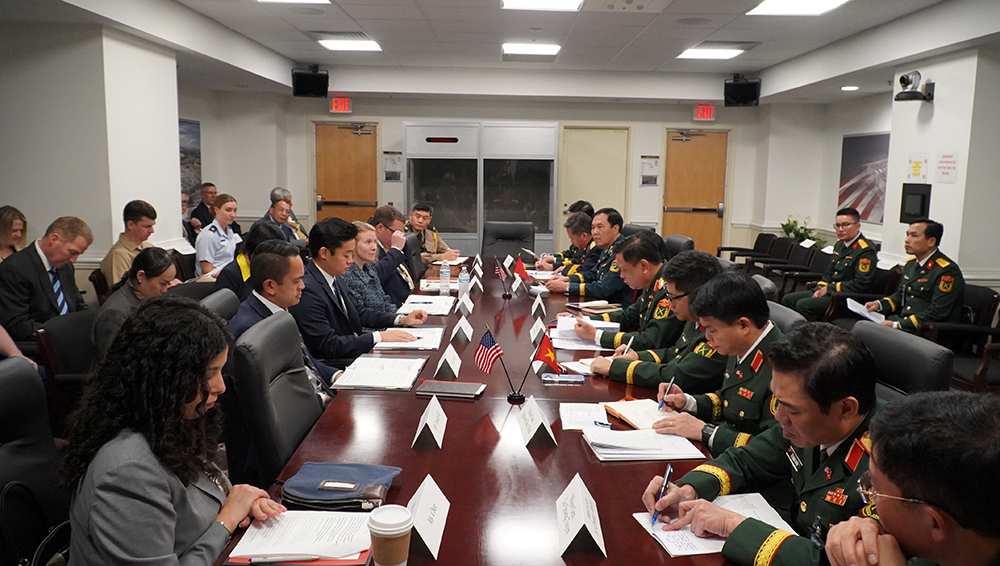
Deputy Minister of National Defense Nguyen Truong Thang and Assistant Secretary for Indo-Pacific Security Affairs John Noh co-chaired the 14th Viet Nam-U.S. Defense Policy Dialogue in Washington DC, on November 5.
07 November,2026