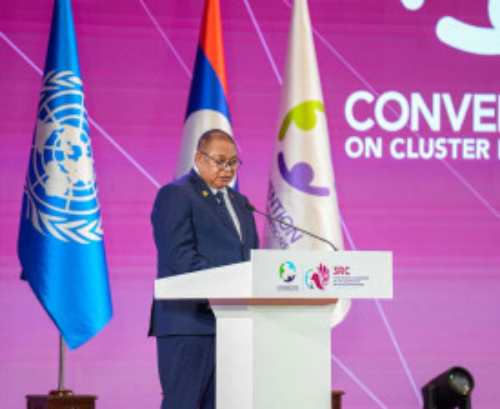
(AseanAll) — The Minister of Trade and Industry of Timor-Leste, Filipus Nino Pereira, attended the 11th edition of the Belt and Road Summit in Hong Kong on September 9th and 10th, 2026, where he presented Timor-Leste’s priorities for economic diversification, regional integration, and attracting investment at an event that brought together government and business representatives from over 70 countries and regions.
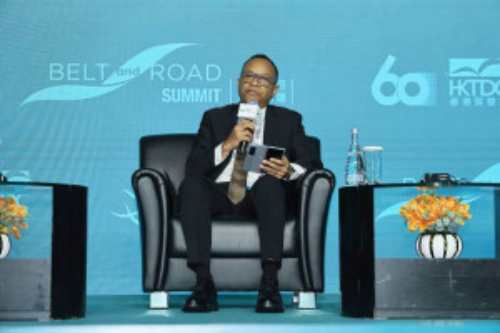
Jointly organised by the Government of the Hong Kong Special Administrative Region and the Hong Kong Trade Development Council (HKTDC), the event was held at the Hong Kong Convention and Exhibition Centre under the theme “Advancing High-Quality Development · Embarking on a New Journey”. This year’s event brought together more than 6,200 participants and featured discussions on trade, investment, and economic cooperation, with a particular focus on ASEAN, Central Asia, and the Middle East.
On the first day of the summit, Filipus Nino Pereira participated as a speaker in the policy dialogue “Building Resilient Trade and Investment Frameworks in a Diverse Global Landscape”, which addressed the challenges posed by geopolitical tensions, supply chain disruptions, and international economic uncertainty.
The session was chaired by the Secretary for Commerce and Economic Development of Hong Kong, Algernon Yau, and attended by government representatives from Bangladesh, Kazakhstan, Sri Lanka, Qatar, and Thailand.
In his intervention, the Minister highlighted the challenges that current transformations in international trade and investment pose to small and developing economies, including geopolitical tensions, supply chain disruptions, climate change, and digital transformation.
In this context, Filipus Nino Pereira presented Timor-Leste’s priorities as building a more diversified, competitive, and resilient economy, as well as strengthening the capacity of national institutions, companies, and human resources to enable greater participation in regional and international markets.
The Minister also highlighted Timor-Leste’s integration into ASEAN as an opportunity to strengthen the national private sector’s participation in the regional market, stating that “for us, ASEAN does not just mean access to a large market, but also preparing our people, institutions, and companies to participate actively.”
The presentation also addressed the need to create better conditions for micro, small, and medium-sized enterprises by improving access to financing, technology, market information, quality standards, digital tools, and regional business networks, and to increase the value added of domestic production in the agriculture, fisheries, and natural resources sectors.
Regarding foreign investment, the Minister argued that “quality investment should create employment opportunities, transfer technology and skills, strengthen local companies, and contribute to the development of the system.”
Filipus Nino Pereira also noted Timor-Leste’s preparations to assume the ASEAN Chairmanship in 2029 and highlighted investment opportunities in the country across infrastructure, technology, hospitality and tourism, and food processing. The Minister also invited representatives from Hong Kong’s private sector to participate in the ASEAN Trade Forum, scheduled for November 2026 in Dili.
The 11th Belt and Road Summit featured more than 300 investment projects, facilitated over 800 one-to-one business matchmaking meetings, and resulted in more than 60 memoranda of understanding. According to the HKTDC, the projects presented had a total value exceeding US$5.4 billion.
Participation in the meeting enabled Timor-Leste to present its trade and investment priorities at an international forum dedicated to economic cooperation and to developing connections among governments, investors, and companies from different regions.
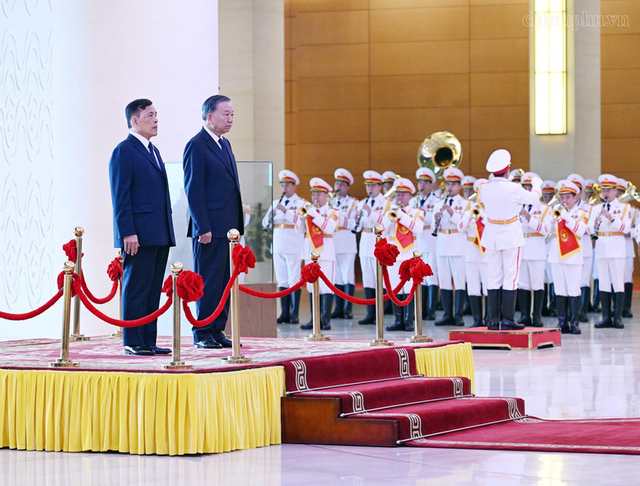
General Secretary and President To Lam hosts an official welcome ceremony for King of Thailand Maha Vajiralongkorn Phra Vajiraklaochaoyuhua at the headquarters of the National Assembly, Ha Noi, September 15, 2026 – Photo: VGP
15 September,2026