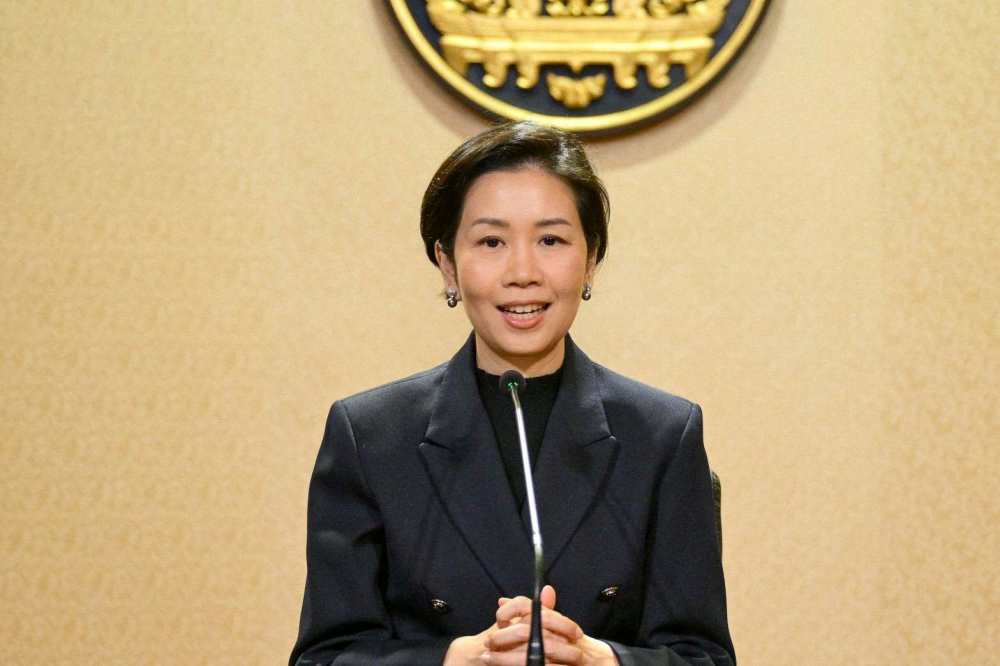
Bangkok, August 10 (AseanAll) — On August 10, 2026, Thai Government Spokesperson Rachada Dhnadirek disclosed that the Government has placed great importance to maintaining relations and cooperation with the neighboring countries.Thailand’s ties with Myanmar are interconnected in both the dimensions of economy, security, environment, and energy. Ongoing energy cooperation has played a vital role in strengthening energy security and managing production costs for the country.
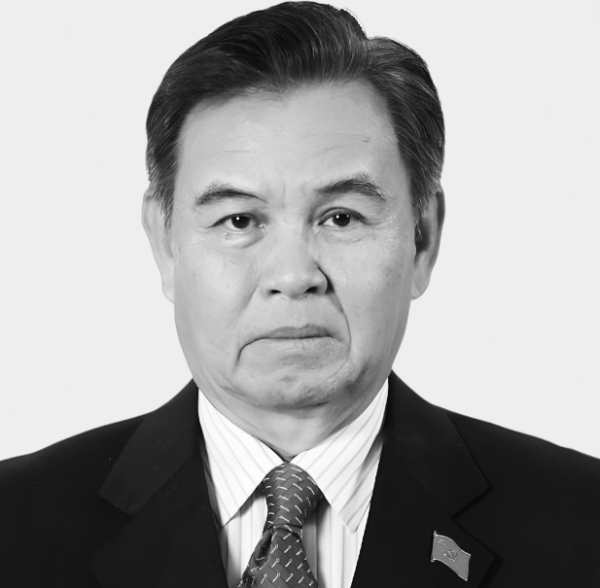
Thai Minister of Energy Akanat Promphan, together with representatives of relevant agencies, has recently metwith Mr. Ko Ko Lwin, Minister of Electricity and Energy of Myanmar, to discussed promotion ofbilateral energy cooperation, particularly in natural gas exploration and production, gas trading, and electricity grid interconnection.
According to the Government Spokesperson, Myanmar has been one of Thailand’s key sources of natural gas for almost 40 years. Gas from the Yadana and Zawtika fields once accounted for 15–20% of Thailand’s total natural gas demand. These supplies have been crucial for electricity generation, industry, and economic activity, making continuous cooperation between the two countries essential.
The meeting also discussed extending contracts for gas fields that are about to expire, and explored investment opportunities in new petroleum blocks, i.e., Block A6, as this would diversify energy sources and reduce risks from over-reliance on a single supply. A new Memorandum of Understanding (MOU) on energy cooperation is expected to be drafted for future collaboration.
Having sufficient, continuous, and diversified energy sources enables Thailand to better manage energy risks and costs. Ultimately, this directly impacts electricity prices, production costs, and Thailand’s economic competitiveness, while also contributing to ASEAN’s long-term energy security.