JOINT STATEMENT OF THE SPECIAL ASEAN MINISTERS ON ENERGY MEETING (AMEM)
ON THE LATEST SITUATION IN THE MIDDLE EAST
27 April 2026, Virtual
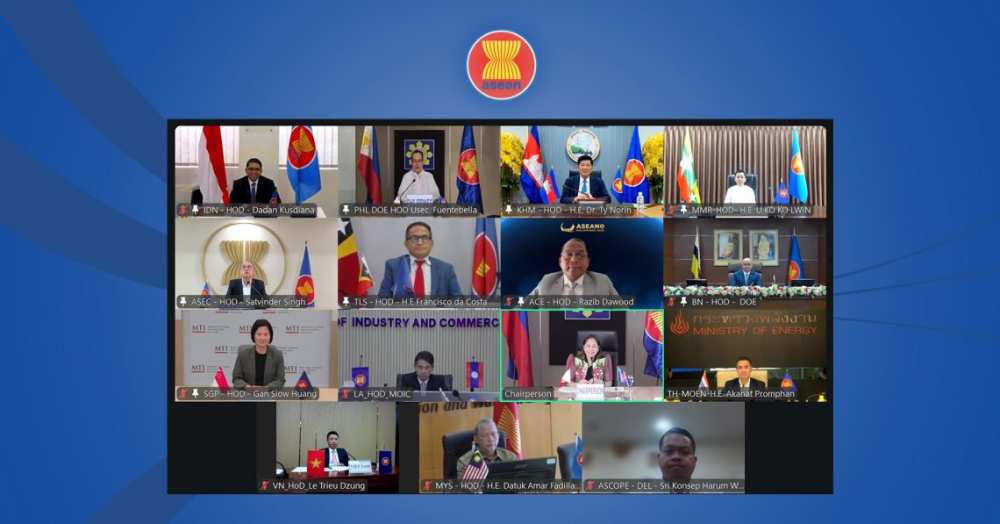
1. We, the Energy Ministers of Association of Southeast Asian Nations (ASEAN), convened a Special ASEAN Ministers on Energy Meeting (AMEM) on 27 April 2026 via virtual platform to discuss the latest developments in the Middle East and their implications for regional and global energy security. The Meeting was chaired by H.E. Sharon S. Garin, Secretary of the Department of Energy of the Republic of the Philippines and attended by Energy Ministers and representatives from all ASEAN Member States, with the support of the ASEAN Secretariat, the ASEAN Centre for Energy (ACE) and ASEAN Council on Petroleum and Energy (ASCOPE). The Meeting underscored the urgency of coordinated regional action considering evolving geopolitical developments that affect energy markets and supply chains, particularly oil and gas supply, and reaffirmed ASEAN’s collective responsibility to safeguard regional energy security through strengthened cooperation, including with Dialogue Partners through ASEAN-led mechanism, and timely policy responses.
2. We took note of the ASEAN Foreign Ministers’ Statements and the ASEAN Economic Ministers’ Statement on the Situation in the Middle East, and reaffirmed ASEAN’s commitment to maintaining peace, stability, prosperity, and the uninterrupted flow of energy supplies, particularly oil and gas, which remain critical to global economic stability and regional prosperity. We emphasised that disruptions in key energy transit routes could have far-reaching implications on global oil supply chains, especially for ASEAN as a net energy-importing region and underscored the importance of maintaining secure and open sea lanes, ensuring freedom of navigation, the safe, unimpeded and continuous transit passage of vessels and aircraft in straits used for international navigation, and minimising disruptions to energy trade flows in accordance with international law, particularly the 1982 United Nations Convention on the Law of the Sea (UNCLOS).
3. We expressed concern over developments in the Middle East and their potential impact on global oil and gas markets, including price volatility and supply uncertainties. We noted that ASEAN’s growing energy demand may increase exposure to such shocks and underscored that stable, accessible, reliable, and affordable energy supply remains fundamental to regional energy security. We further noted potential implications not only for crude oil and natural gas, but also for the supply and pricing of critical refined petroleum products, particularly diesel, gasoil, naphtha, liquefied gases and other energy-related inputs, including fertilisers, which underpin economic activities, including urban services, food security, industrial production, and transport systems. In this regard, we emphasised the importance of strengthening preparedness and response measures.
4. We reaffirmed ASEAN’s commitment to maintaining an open, inclusive, and rulesbased regional energy cooperation, and to strengthening collaboration with Dialogue Adopted Partners, including via ASEAN-led mechanisms, international organisations, and relevant stakeholders to enhance regional energy security and resilience. In this regard, we recognised the continued support and constructive engagement between the ASEAN Senior Officials Meeting on Energy (SOME) and ASEAN’s Dialogue Partners in advancing regional energy cooperation and supporting ASEAN’s energy security priorities.
5. We underscored the importance of the ASEAN Framework Agreement on Petroleum Security (APSA) as a key regional mechanism to enhance preparedness and collective response to potential oil and gas supply disruptions. We recalled that APSA modernises ASEAN’s petroleum security arrangements by providing a voluntary and coordinated framework for emergency response, information sharing, and mutual assistance during supply crises. In this regard, we urged the expeditious completion of national processes towards its ratification.
6. We emphasised the importance of close and continuous monitoring of developments and their implications, including through national coordination mechanisms, and of strengthening regional information sharing and coordinated monitoring where appropriate. In this regard, we tasked ACE and ASCOPE to continue monitoring developments and coordinating with SOME to support timely and informed regional responses and further encouraged relevant Sectoral Energy Bodies and Sub-Sector Networks to regularly share relevant emergency-related data with ACE and ASCOPE through established channels, subject to each Member State’s domestic laws, regulations, and national policies, to enhance ASEAN’s preparedness and response capacity.
7. We reaffirmed ASEAN’s commitment to strengthening regional energy security and resilience through enhanced regional cooperation and coordination. In this regard, we highlighted the importance of supply diversification, including clean and renewable energy transition, broadening sources of crude oil and refined products, strengthening intra-ASEAN energy trade. We further emphasised the need to accelerate biodiesel and bioethanol blending, promote the adoption of electric vehicles and electric cooking, enhance renewable energy deployment, and explore the role of emerging technologies, including civilian nuclear energy, in accordance with international safety standards.
8. We reaffirmed ASEAN’s commitment to advancing the implementation of the ASEAN Plan of Action for Energy Cooperation (APAEC) 2026–2030, including its aspirational targets of reducing energy intensity by 40%, achieving 30% renewable energy share in total primary energy supply, and 45% in installed power capacity by 2030, as part of ASEAN’s broader strategy to enhance energy security while accelerating a just and inclusive energy transition. We further emphasised the critical role of demand-side and energy efficiency measures in mitigating immediate impacts of oil supply shocks and enhancing long-term sustainability.
9. We urged the continued efforts to strengthen and advance multilateral and multidirectional cross-border power trading and the ASEAN Power Grid (APG), through initiatives such as the Lao PDR-Thailand-Malaysia-Singapore Power Integration Project (LTMS-PIP) which facilitated cross-border electricity trading of up to 200 MW using existing interconnections, as well as the Brunei Darussalam–Indonesia– Malaysia–Philippines Power Integration Project (BIMP-PIP), which further supports subregional power interconnectivity and enhances electricity trade within ASEAN. We look forward to more cross-border electricity trading projects coming to fruition in the Adopted next few years to realise the APG. We also recognised the importance of Trans-ASEAN Gas Pipeline (TAGP) in expanding Liquefied Natural Gas (LNG) infrastructure and supply chains.
10. We recognised that the evolving situation in the Middle East may have wider implications beyond the energy sector, including for food security, micro, small and medium enterprises, tourism, transport and logistics, and broader economic activities. We noted the potential for indirect impacts through higher input and transportation costs, as well as possible disruptions to supply chains. In this regard, we underscored the importance of maintaining accessible, stable and reliable regional energy supply chains, as well as minimising disruptions to energy flows. We also expressed openness to strengthen and expand cooperation with Dialogue Partners and relevant international organisations, including in areas such as information sharing, technical exchange, and capacity building, to support ASEAN’s overall resilience.
11. We tasked the relevant ASEAN bodies and the ASEAN Secretariat to follow up on the implementation of the outcomes of this Meeting and report progress at the 44th ASEAN Ministers on Energy Meeting.