(AseanAll) — Timor-Leste Vice Prime Minister and Coordinating Minister for Social Affairs and Minister of Rural Development and Community Housing, Mariano Assanami Sabino, led Timor-Leste’s delegation to the 35th meeting of the ASEAN Socio-Cultural Community Council (ASCC), the 2026 ASCC High-Level Forum, and the 40th meeting of the ASCC Senior Officials’ Committee (SOCA), held from March 2nd to 7th, 2026 in Manila, Philippines, under the Philippine Chairmanship of ASEAN.
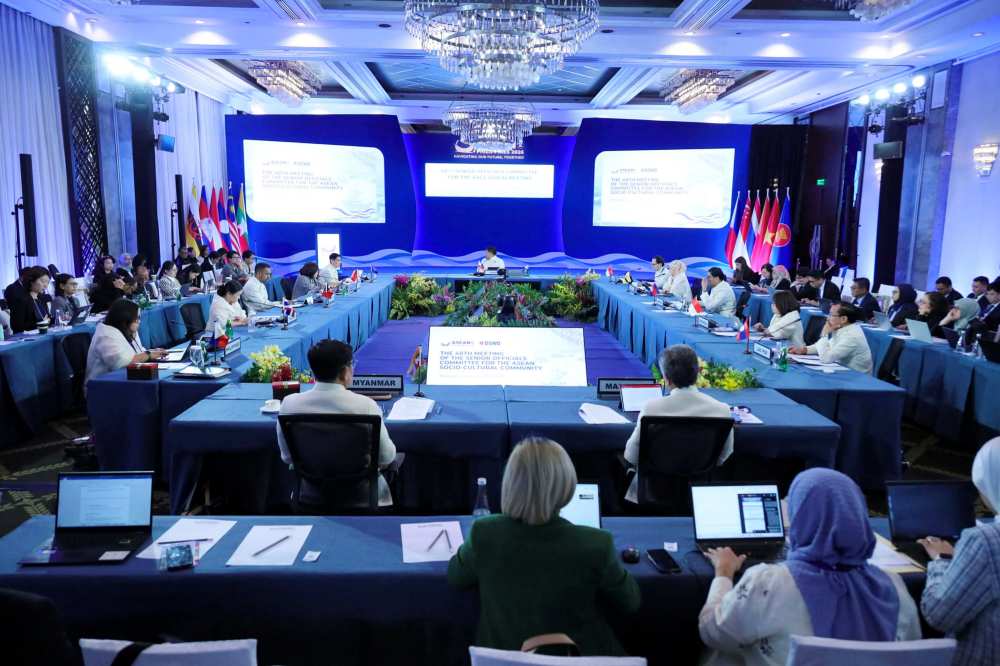
This participation is part of Timor-Leste’s process of full integration into ASEAN and marked the country’s first attendance at an ASCC Council meeting as the organisation's 11th member state.
The High-Level Forum was held under the theme “Navigating Our Future, Together: Empowering People for a Resilient and Cohesive ASEAN” and focused on promoting people-centred public policies capable of fostering social inclusion, community resilience, territorial cohesion, and sustainable development. The discussions highlighted the need to assess regional progress not only by economic growth but also by the ability to ensure that the benefits of development reach individuals, families, and communities, particularly the most vulnerable.
Timor-Leste took part in a ministerial panel on the theme “Leaving No Community Behind: Integrating Rural Development, Housing, and Social Policies for Inclusive Growth in ASEAN,” with the goal of discussing strategies to combine rural development, housing, and social protection policies to reduce territorial inequalities and ensure that rural and marginalised communities benefit from regional growth.
In his remarks, the Vice Prime Minister highlighted the importance of enhancing the connections between public policies and avoiding fragmented approaches, especially by fostering cross-sectoral coordination among ministries, strengthening the links between the three pillars of ASEAN, and ensuring that regional commitments deliver tangible benefits to communities.
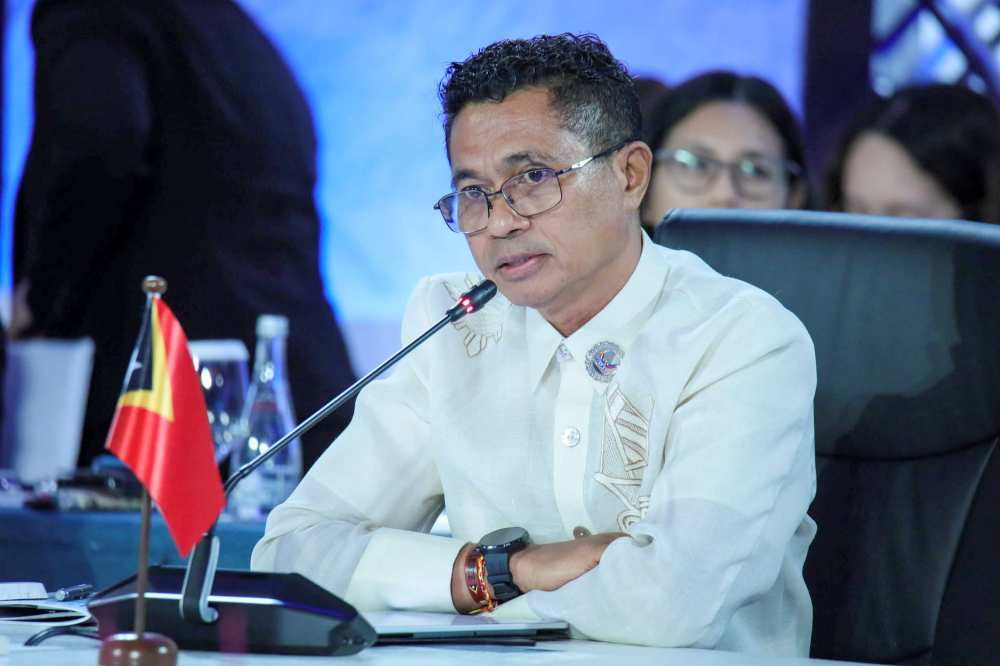
In this context, the national experience of the “Uma Digno” Program was presented as an example of an integrated, community-focused approach that combines housing, social protection, and rural development.
The national delegation also took part in the 40th SOCA meeting, where progress on implementing the ASCC work plans was reviewed, and documents were prepared for submission to the Ministerial Council.
At the 35th meeting of the ASCC Council, member states reviewed progress in implementing the ASCC Blueprint 2025—which has achieved all its planned strategic measures—and discussed priorities for the upcoming period, in line with the ASEAN Community Vision 2045.
During the meeting, Timor-Leste expressed its support for the outcome documents to be submitted to the 48th ASEAN Summit. It highlighted national initiatives in food security, nutrition, and social protection, including school feeding programmes and support programmes for pregnant women and mothers.
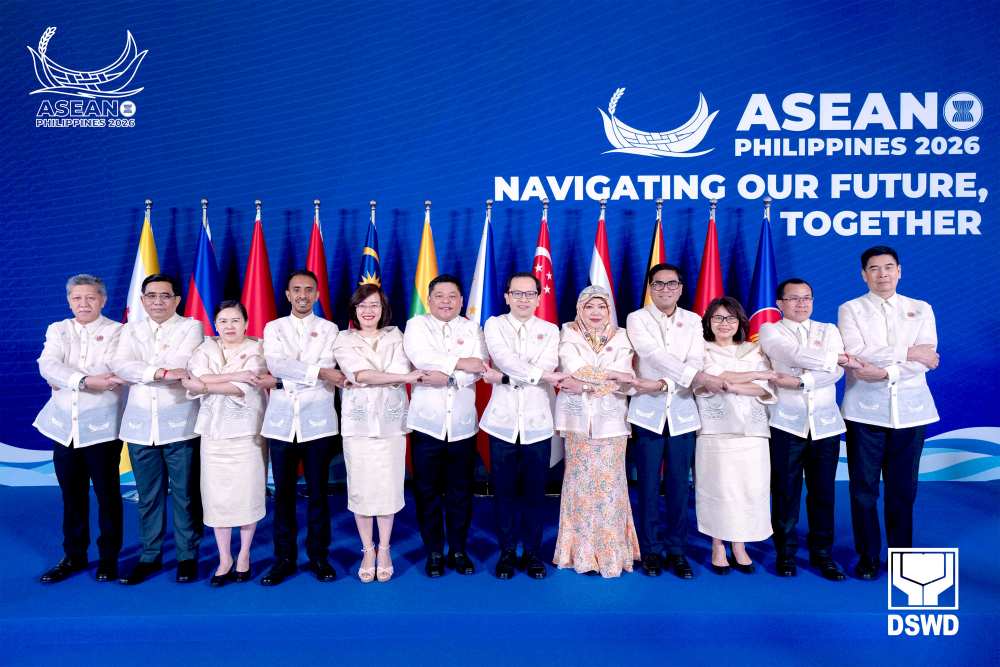
Timor-Leste also emphasised that it recently took on the presidency of the Least Developed Countries (LDCs) Group in the climate change negotiations for the 2026–2027 period, aiming to promote increased climate finance, establish support mechanisms for loss and damage, and ensure more equitable climate action.
Participation in the Forum and related meetings helped strengthen Timor-Leste’s presence within ASEAN’s socio-cultural pillar, contributed to regional discussions on social inclusion and community development, and fostered greater exchange of experiences and cooperation with the organisation’s member states and partners.
The mission strengthened Timor-Leste’s role as a constructive and dedicated partner within an inclusive, resilient, and people-centred ASEAN, supporting regional efforts to enhance social development, community cohesion, and regional integration.