Manila, February 18 (AseanAll) — Philippine President Ferdinand R. Marcos Jr. underscored on February 18, 2026 the vital role of Japan as a strategic partner of the Philippines in advancing trade, investment, and quality infrastructure collaboration during his meeting with delegates to the 42nd Annual Joint Meeting of the Economic Cooperation Committees of Japan and the Philippines at Malacañan Palace.
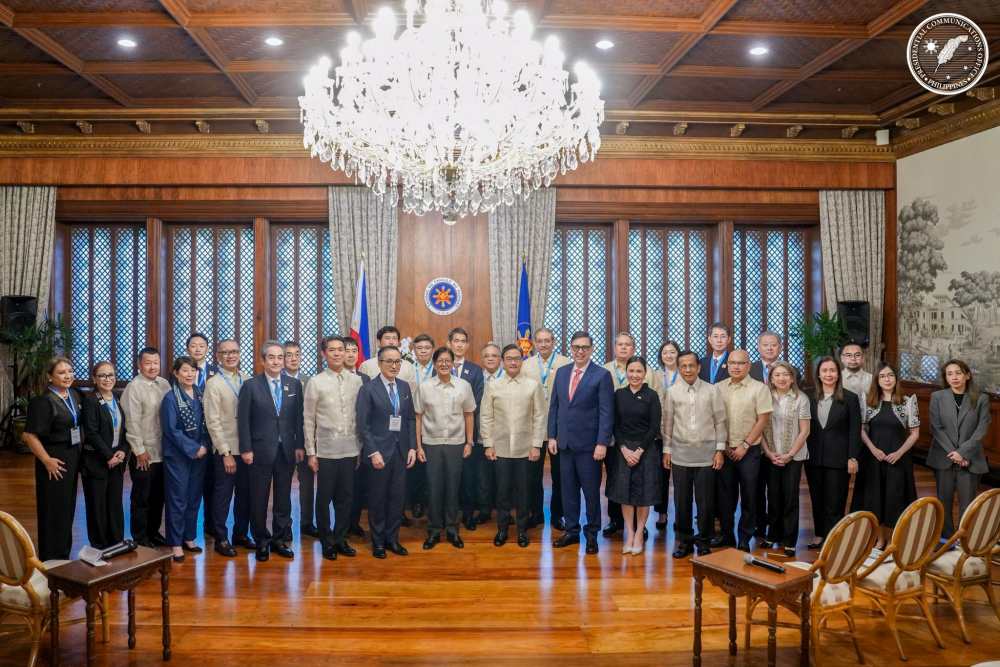
The President welcomed delegates of the Japan-Philippines Economic Cooperation Committee (JPECC) and the Philippines-Japan Economic Cooperation Committee, Inc. (PHILJEC) during a courtesy call held prior to their 42nd Annual Joint Meeting in Manila.
In welcoming the delegates, President Marcos said their presence reflects the strong and enduring economic partnership between Japan and the Philippines and their shared commitment to regional growth and stability.
During the meeting, the delegates exchanged views with the President on the Philippines’ economic priorities, ongoing reforms, and investment pipeline, and identified concrete opportunities to expand trade, increase investments, and strengthen business partnerships between the two countries.
Japan remains one of the Philippines’ most valued strategic partners, particularly in trade, investment, and quality infrastructure collaboration. Both countries continue to work closely to promote resilient supply chains, inclusive growth, and deeper regional economic integration.
Key investment opportunities for Japanese companies include semiconductors and electronics, automotive manufacturing—including electric vehicles—aerospace, and the renewable energy value chain.
The Philippine government has implemented strategic reforms to liberalize priority sectors and broaden foreign participation in industries critical to the country’s long-term growth and development.
For the 42nd Joint Meeting, PHILJEC and JPECC reported that they will jointly address the most pressing issues affecting Philippines-Japan economic cooperation and advance practical measures to further strengthen bilateral trade, investment, infrastructure, human resource development, and tourism.