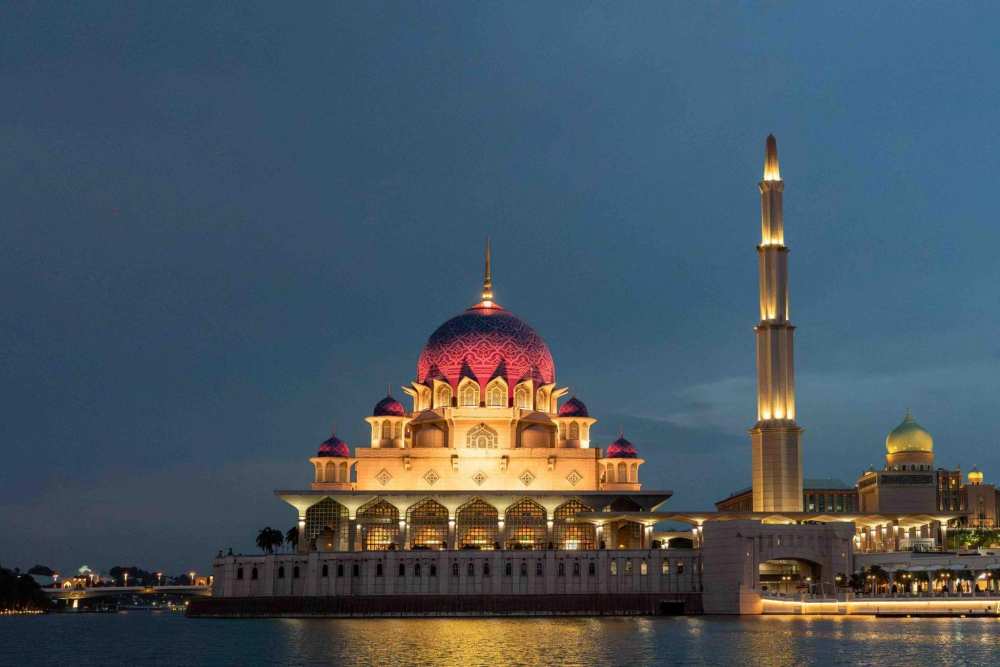
As morning dawns over Selangor, a distant call to prayer from scattered mosques drifts through its unlit roads, while office workers, families and market vendors rise to start their day. In a hawker centre or a morning market (pasar pagi), you will often hear sellers and customers conversing in Mandarin in one corner, while chatter in Malay goes on not far away. Beside, a food truck is blasting pre-recorded promotions through a handheld megaphone in several languages.
Beneath the soaring glass of Malaysia’s most developed skyline lies a heart that beats with ancient rhythms. To say that Selangor is a place where modern ambition meets deep-rooted heritage is an understatement. To do it justice is to intentionally traverse through the state, slowly peeling back its layers by moving from the vibrant energy of the city to the quiet, soulful enclaves to properly experience the diverse cultures that have flourished here for generations.
For a country teeming with citizens from so many traditions and backgrounds, it comes as no surprise that there is an abundance of cultural experiences worth exploring and learning about in Selangor alone. From breathtaking architecture layered with centuries-old stories to museums with artefacts that stand witness to a different age, these cultural landmarks are chords woven together over time that helped shape a harmonious Malaysia as we know it today. And here are some top cultural picks that should be high on your list:
Masjid Sultan Salahuddin Abdul Aziz Shah (Blue Mosque)
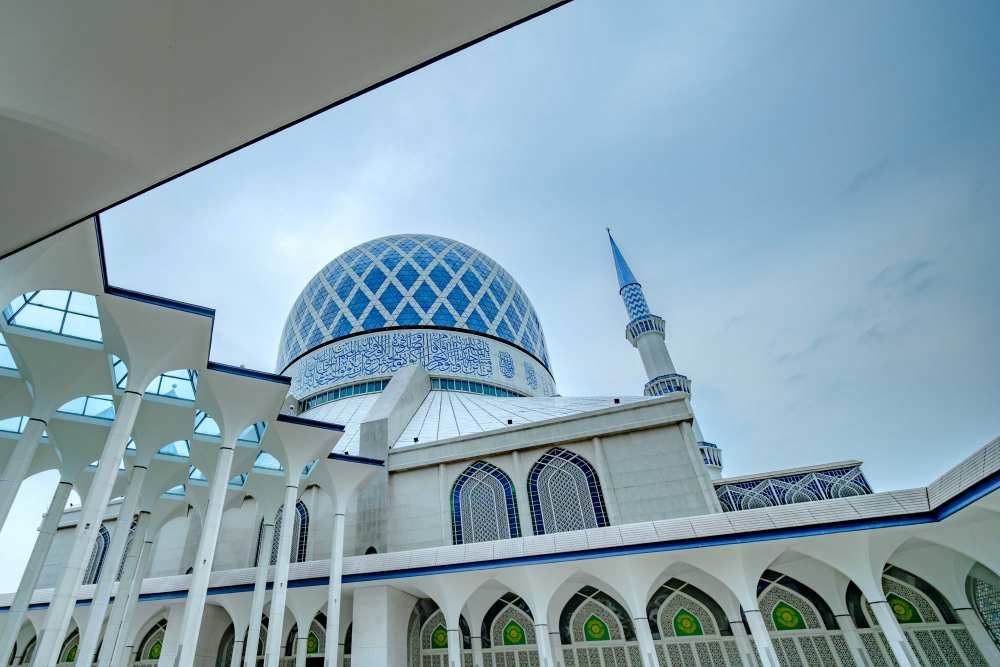
Rising majestically over the skyline of Shah Alam, the Masjid Sultan Salahuddin Abdul Aziz Shah – more commonly known as the Blue Mosque – is a stunning symbol of faith, artistry and modern Islamic architecture. Its immense blue and silver dome, one of the largest in the world, is easily recognisable, reflecting sunlight by day and glowing softly against the night sky.
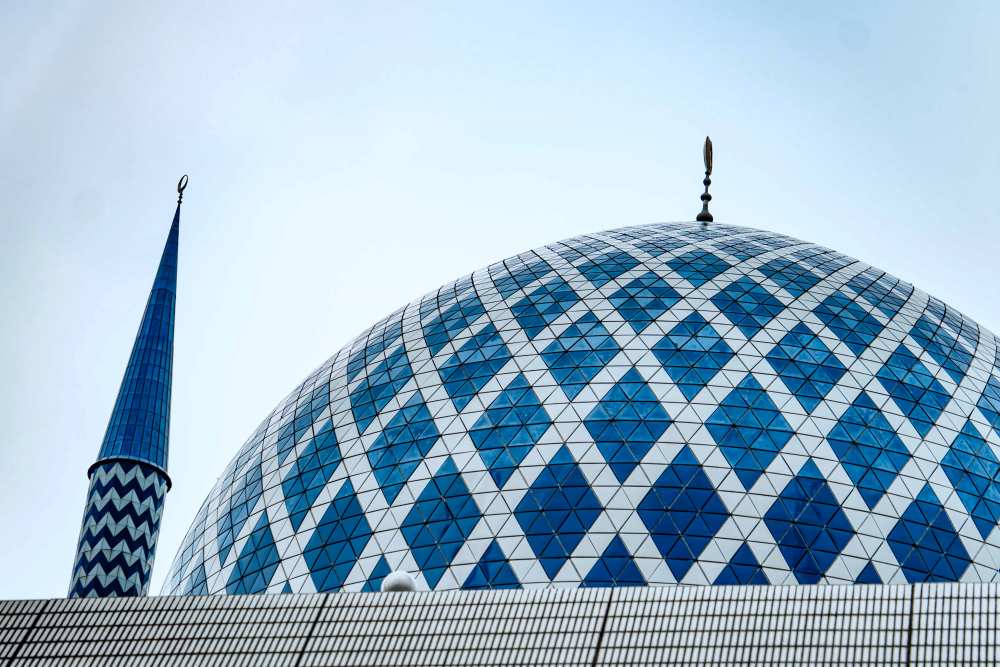
Stepping into the mosque’s expansive courtyard, visitors are greeted by a sense of calm that contrasts beautifully with the grandeur of its exterior. The structure is framed by four towering minarets (among the tallest globally), which reinforce its commanding presence. Yet despite its scale, the atmosphere remains serene and welcoming, inviting a precious moment of quiet reflection.
Inside, the prayer hall is a design masterpiece. Intricate Islamic calligraphy adorns the walls, while geometric patterns and stained glass filter natural light into soft, shifting hues. Its vast space can accommodate thousands of worshippers at once, yet it never feels overwhelming thanks to its symmetry and a thoughtful layout that creates a sense of harmony and balance.
Beyond its architectural beauty, the mosque plays an important cultural role. It serves not only as a place of worship but also as a hub for community gatherings, educational programs and religious events. Guided tours are available for non-Muslim visitors, offering insights into Islamic practices and the significance of the mosque’s design elements.
Operating Hours
8.30am to 1pm, 2pm to 4.30pm from Mondays to Thursdays.
8.30am to 12.15pm, 2.45pm to 4.30pm on Fridays.
The mosque is closed on Saturdays, Sundays and public holidays.
Admission Fee
Entry to the Blue Mosque is free for all visitors.
Address
1st Floor, Islamic Lecture and Discussion Hall, Persiaran Masjid, Section 14, 40000 Shah Alam, Selangor.
How to get to Masjid Sultan Salahuddin Abdul Aziz Shah (Blue Mosque)
For those using public transport, take a KTM Komuter train to Shah Alam station, then book a Grab or taxi for a short 10-minute to the mosque.
Batu Caves
Famous for its rainbow-hued stairs and ornate shrines tucked within the hollow caves of the mountain, Batu Caves is a must-visit, especially those visiting Selangor for the first time. Inhabiting a 400-million-year-old limestone hill, Batu Caves was established as a Hindu religious site in 1891 and saw its first Thaipusam festival celebrated the following year.
As you approach, golden sunlight spills across the jagged limestone cliffs and illuminates the towering statue of Lord Murugan. The air is thick with incense, mixed with the chatter of visitors and the occasional call of monkeys darting along the railings. A kaleidoscope of colours greets you at the base of the monumental staircase – 272 steps in total – each step painted in a vibrant hue to represent cultural diversity.
Reaching the top, the cavern opens into a vast, cathedral-like chamber where shafts of light stream through natural openings above, illuminating shrines and casting a quiet, almost reverent glow.
To this day, the key highlight of Batu Caves has to be the golden statue of the Hindu God, Lord Murugan, as a symbol of power and wisdom, which stands majestically at the base at 43 metres tall. It is also the largest in Malaysia and second-largest Murugan statue in the world.
This series of limestone caves and cave temples is deeply significant to the Hindu community, particularly during the annual Thaipusam festival, when thousands of devotees gather in a vivid display of faith and devotion.
Operating Hours
6.00am to 9.00pm daily.
Admission Fee
Category
Malaysian
Non-Malaysian
Temple Cave Free Free
Cathedral Cave Free Free
Cave Villa RM7 RM15
Ramayana Cave RM5 RM5
Ticket prices are accurate as of May 2026 but are subject to change.
Address
Gombak, 68100 Batu Caves, Selangor.
How to get to Batu Caves
Located about 13 kilometers north of the city center, the caves are accessible by several convenient options. Visitors can take the KTM Komuter train from KL Sentral directly to the Batu Caves station, which is just a short walk from the entrance. Alternatively, taxis and ride-hailing services offer a quick and comfortable journey, while public buses also operate routes to the area. For those who prefer driving, ample parking is available nearby.
Malawati Hill (Bukit Malawati)
Situated at the mouth of the Selangor River that flows into the Straits of Malacca is Malawati Hill – a rare blend of history, nature and quiet coastal charm.
This hill once served as an 18th-century royal stronghold for the Selangor Sultanate and a strategic military fort against the Dutch colonial expansion. It is dotted with many historical highlights such as The Lighthouse, the Poisoned Well, Cannon History and the Historical Museum of Kuala Selangor. Visitors have the option of walking or driving up the hill and stopping at different attractions. And if you are visiting over the weekends and public holidays, take the tram and travel on a tour around the hill.
At the summit, ancient cannons still point silently toward the sea, while stone foundations and fortress walls hint at its strategic importance in defending the region against invaders. The iconic Altingsburg Lighthouse stands proudly nearby, its white tower offering panoramic views that make it one of the most photographed spots in Kuala Selangor.
While Bukit Malawati is packed with stories of the past, it is still very much alive with nature. Silvered leaf monkeys and long-tailed macaques roam freely around the hill, often interacting curiously with visitors.
The Bedrock (left); The Poisoned Well (right)
Cultural storytelling is woven throughout the site. Informational plaques and guided tours share tales of royal heritage, ancient battles and the evolution of Kuala Selangor as a coastal hub. Nearby, traditional Malay houses and simple eateries offer a glimpse into local life, where seafood dishes and snacks are enjoyed in the shade of old trees overlooking the sea.
Operating Hours
9am to 6pm daily.
Tram Operating Hours:
Saturdays, Sundays and Public Holidays: 9am to 6pm
Monday to Friday (School Holidays): 9am to 4pm
Admission Fee
Entry to Bukit Malawati is free for all visitors.
Tram services are priced at RM5 for adults and RM3 for children (3 to 12 years old).
Ticket prices are accurate as of May 2026 but are subject to change.
Address
Bukit Melawati, 45000, Kuala Selangor
How to get to Bukit Malawati
Travellers can take a KTM Komuter train to the nearby Sungai Buloh station, followed by a short taxi or e-hailing ride to the site. Buses also serve Kuala Selangor town from Kuala Lumpur and Klang Sentral, where Bukit Malawati is just a short journey away. Upon arrival, visitors can choose to walk up the hill or take the local tram service (only available during weekends, public holidays and school holidays) at RM5 per adult and RM3 per child, enjoying a relaxed ascent to the top where historical landmarks and scenic coastal views await.
Sultan Alam Shah Museum
Set within the leafy surroundings of Shah Alam, the Sultan Alam Shah Museum offers a quiet yet compelling journey into Selangor’s royal and cultural heritage. As the state’s official museum, it serves as a repository of history, tracing the evolution of Selangor from its early settlements to its modern identity.
The museum’s architecture itself hints at tradition, echoing elements of classic Malay design. Inside, thoughtfully curated galleries showcase royal regalia, historical artifacts and cultural exhibits that highlight the customs and craftsmanship of the Malay community. Visitors can explore displays of traditional weapons like the keris, intricate textiles and ceremonial objects once used in royal courts – each piece offering precious insight into the region’s values and social structure.
One of the museum’s strengths lies in how it contextualises Selangor’s past within Malaysia’s broader narrative. Through photographs, documents and multimedia exhibits, it tells stories of leadership, trade and transformation, making it accessible even to those unfamiliar with local history.
For travelers seeking a deeper cultural perspective beyond Selangor’s more famous attractions, the Sultan Alam Shah Museum provides a meaningful and educational stop. This is a place where history is preserved not just through objects, but also in the stories that continue to shape the state’s identity today.
Operating Hours
9.30am to 5.30pm on Tuesdays to Thursdays, Saturdays and Sundays.
9.30am to 12.30pm, 2.30pm to 5.30pm on Fridays.
Last entry at 4.30pm.
Admission Fee
Category
Malaysian Citizen
Non-Citizen
Adult RM5 RM15
Children (7 to 12 years old) RM2 RM8
Student (with student card) RM2 -
Children 6 years old and below Free Free
Student (in school uniform) Free Free
People with disabilities Free Free
Ticket prices are accurate as of May 2026 but are subject to change.
Address
Persiaran Bandaraya, Seksyen 14, 40000 Shah Alam, Selangor.
How to get to Sultan Alam Shah Museum
Visitors can take the KTM Komuter train to Shah Alam station, followed by a short taxi or e-hailing ride to the museum. Local bus services also operate routes into Shah Alam city centre, with the museum just a brief journey from major transit stops. Once in the city, its central location near other key landmarks makes it easy to reach, offering a convenient stop for those interested in exploring Selangor’s rich history and cultural heritage.
Source: Malaysia Tourism Promotion Board (MTPB)